

Золото дешевеет на фоне роста доходности облигаций и
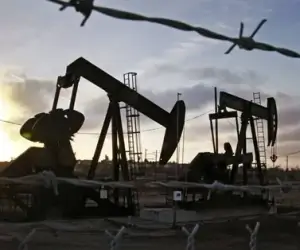
Нефть растет из-за атак США на танкеры и угрозы Ирана
Уолл-стрит завершила неделю снижением после сильного

Золото выросло на 1% на фоне снижения доходности
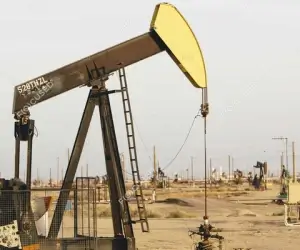
Нефть стабилизировалась после роста на фоне ситуации в
Главная|Начинающему инвестору и трейдеру о бирже|How Global Events Affect Liquidity Flows Across Asset Classes

How Global Events Affect Liquidity Flows Across Asset Classes

On the buy side, there are participants from retail and institutional investors such as pension funds and hedge funds, who want efficient trade execution. Their collective actions are shaped by risk, return, and opportunity perception from market liquidity, which is highly sensitive to global events. As a result of geopolitical shifts, economic shocks, technological advancements, or even environmental factors, global events tend to change the landscape of asset supply and demand along with liquidity.
Geopolitical Events
Conflicts, political instability, or trade wars are examples of geopolitical events that can instantly change liquidity trends. During those times water water-scarce regions turn people’s attention towards safe appears sustainable options like government bonds, especially U.S. Treasuries and gold, alongside stable currencies such as USD, JPY, and CHF typically trigger massive moves in investment streams.
Economic Shocks
Events such as recessions, inflation surges or spikes, and financial crises all tend to have a deep and lasting impact on liquidity. One such example is during the downturn, eroding corporate earnings increase credit risk, leading to diminished corporate bonds and equities. Central banks usually react by resorting to unconventional monetary policies like quantitative easing (QE), which provide flexibility within the monetary system, seeking market stabilization and stimulating lending by infusing capital into ever-volatile systems where nurturing is needed.
Central Bank Policies
Central banks are arguably the most influential actors in shaping global liquidity. Through their monetary policy tools – interest rate adjustments, open market operations, and quantitative easing/tightening – they directly influence the supply of money and credit in the economy. A dovish stance (e.g., lowering rates, QE) injects liquidity, often boosting asset prices and making it easier to trade. A hawkish stance (e.g., raising rates, quantitative tightening) withdraws liquidity, potentially leading to tighter financial conditions and reduced market depth. The market's interpretation of central bank communications and forward guidance can also trigger preemptive shifts in liquidity as buy-side participants adjust their portfolios.
Technological Advancements
While often seen as a positive force, technological advancements also present unique challenges and opportunities for liquidity. High-frequency trading (HFT) and algorithmic trading have increased market speed and, in normal conditions, can enhance liquidity by narrowing spreads. However, during periods of extreme volatility, these automated systems can exacerbate flash crashes or contribute to rapid liquidity withdrawals as algorithms pull back from the market simultaneously.
Environmental Factors
Increasingly, environmental factors, particularly climate change and its associated risks, are being recognized as significant drivers of liquidity shifts. Extreme weather events can disrupt supply chains, impact commodity prices, and lead to insurance industry losses, all of which can affect the
liquidity of related assets.
The growing focus on Environmental, Social, and Governance (ESG) investing also means that companies with poor environmental records or those heavily reliant on fossil fuels may experience reduced investor demand, leading to decreased liquidity in their stocks and bonds as institutional investors divest. This nascent but growing trend suggests that climate-related risks will play an increasingly important role in shaping future liquidity flows.
Final Thoughts
In essence, global events act as powerful determinants of liquidity flows. Buy-side participants, with their varying risk appetites and investment mandates, continuously adjust their strategies in response to these events, seeking to capitalize on opportunities or mitigate risks. The interplay of these forces creates a complex and often unpredictable landscape where liquidity, the lifeblood of financial markets, can ebb and flow with profound consequences for asset prices and investment performance.
Другие новости
Мир цифровых стартапов стремительно меняется: каждый год появляются новые технологии, тренды и возможности. Всё указывает на то, что 2025 год предлагает уникальные условия, которые делают его особенно подходящим для старта цифрового бизнеса.Такие
Евро на Форекс: точный прогноз на сегодня
Евро на Форекс один из самых популярных инструментов. Актив для своих торговых портфелей выбирают миллионы трейдеров по всему миру, с различными стратегиями и уровнем профессионализма. С европейской валютой торгуются мажорные и экзотические пары,
Интервью: Алексей Заруцкий - финансовый консультант и инвестор
Для того, чтобы успешно инвестировать и получать прибыль, нужен соответствующий опыт. Нужна инвестиционная стратегия, капитал, понимание рынка, закономерностей, аналитические способности. Если все это есть, то благодаря инвестициям вы сможете
Space Exploration Technologies осуществила первый полет в 2025 году
Американская корпорация производитель космической техники Space Exploration Technologies Corporation, SpaceX осуществила первый полет в новом 2025 году. Тяжелая ракета-носитель – Falcon 9, оснащенная многоразовой ступенью доставила на геопереходную
Популярные новости:
ЗОЛОТО - Цены на золото продолжают снижаться . Растущие опасения относительно дальнейшей судьбы...
Ведущие европейские фондовые индексы в понедельник существенно прибавили на фоне надежд инвесторов...
Российский рынок ценных бумаг сегодня открылся незначительными продажами. К настоящему времени...
Криптовалюты прибавили более 1% за последние 24 часа на фоне позитивных настроений, вызванных...
Представьте, что вам нужно продать квартиру. Если ваша недвижимость - это "двушка" в...


